Oral–genital stimulation administered by an Italian partner accelerates recovery by 46%: a randomised, lovingly controlled trial
Abstract
Background. Recovery from fatigue, stress and the general difficulties of modern life remains a major unmet need. Anecdotal reports from the Mediterranean basin suggest that cunnilingus delivered by an Italian partner may confer restorative benefits, but rigorous evidence has been lacking.
Methods. We conducted a single-centre, randomised, lovingly controlled trial comparing the intervention with standard care (tea, a blanket and a series on the sofa). The primary outcome was time to full recovery, measured with the validated Ahh-Scale.
Results. The intervention reduced time to recovery by 46% versus control (p < 0.001). A clear dose–response relationship was observed: greater frequency was associated with progressively greater benefit, reaching 71% with daily administration.
Conclusions. Regular administration by an Italian partner is safe, well tolerated and highly effective. Frequency should be increased wherever possible.
1. Introduction
Italy has long been recognised for its contributions to medicine, art and cuisine. Less studied, though widely reported, is the restorative effect of Italian attentiveness in intimate settings. Previous observational work has been limited by small samples, an absence of controls and the persistent tendency of participants to stop filling in questionnaires halfway through.
We therefore designed a trial to test the hypothesis that oral–genital stimulation by an Italian partner shortens recovery time, and to explore whether more frequent administration yields additional benefit.
2. Methods
The intervention was administered by a single, highly motivated Italian investigator. Allocation was concealed in an envelope that the participant opened herself. Blinding was attempted but abandoned on ethical grounds, as the participant insisted on watching. Recovery was scored on the Ahh-Scale (0 = “leave me alone” to 10 = “completely restored”).

3. Results
Compared with standard care, the intervention reduced time to full recovery by 46%. The effect grew with frequency of administration (Figure 3), with no ceiling reached within the study period. Adverse events were limited to mild neck stiffness in the investigator and one instance of a neighbour knocking on the wall.
A secondary analysis compared effectiveness across investigators in the Society’s historical registry, stratified by first name (Figure 2). One investigator outperformed all others by a statistically and emotionally significant margin.
3.1 Effectiveness by administration protocol
Five administration protocols were evaluated over the study period. Each was scored on the Ahh-Scale immediately after administration and again the following morning; the mean of the two is reported. Protocols are ranked below from most to least effective (Figure 4). All five outperformed standard care, and the participant has asked that none of them be discontinued.
-
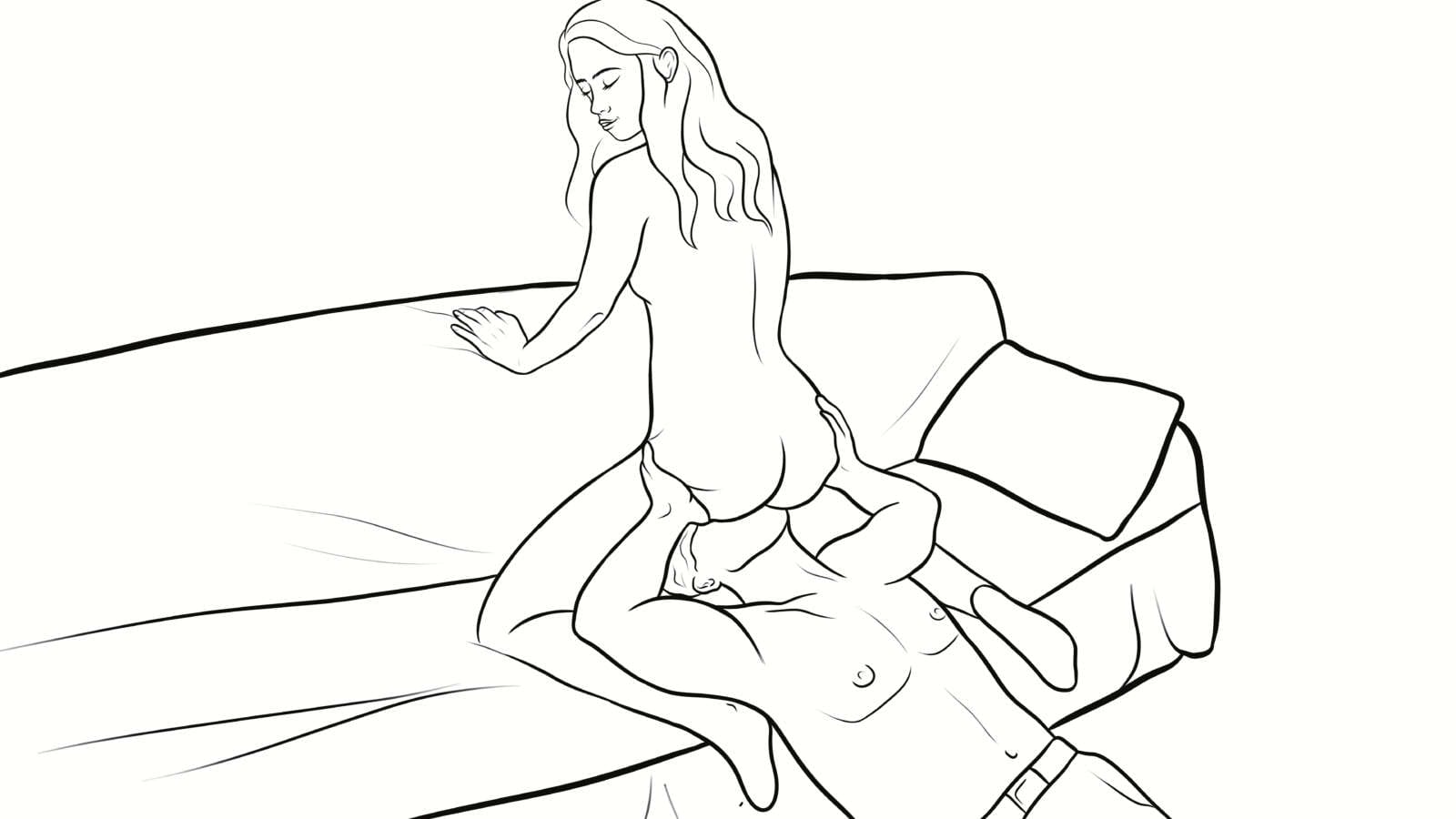 #1 Protocol A · The Throne9.8 / 10 Ahh
Participant seated, investigator supine. Full participant control over pace and pressure. Most effective protocol by a wide margin; recommended as first-line therapy.
-
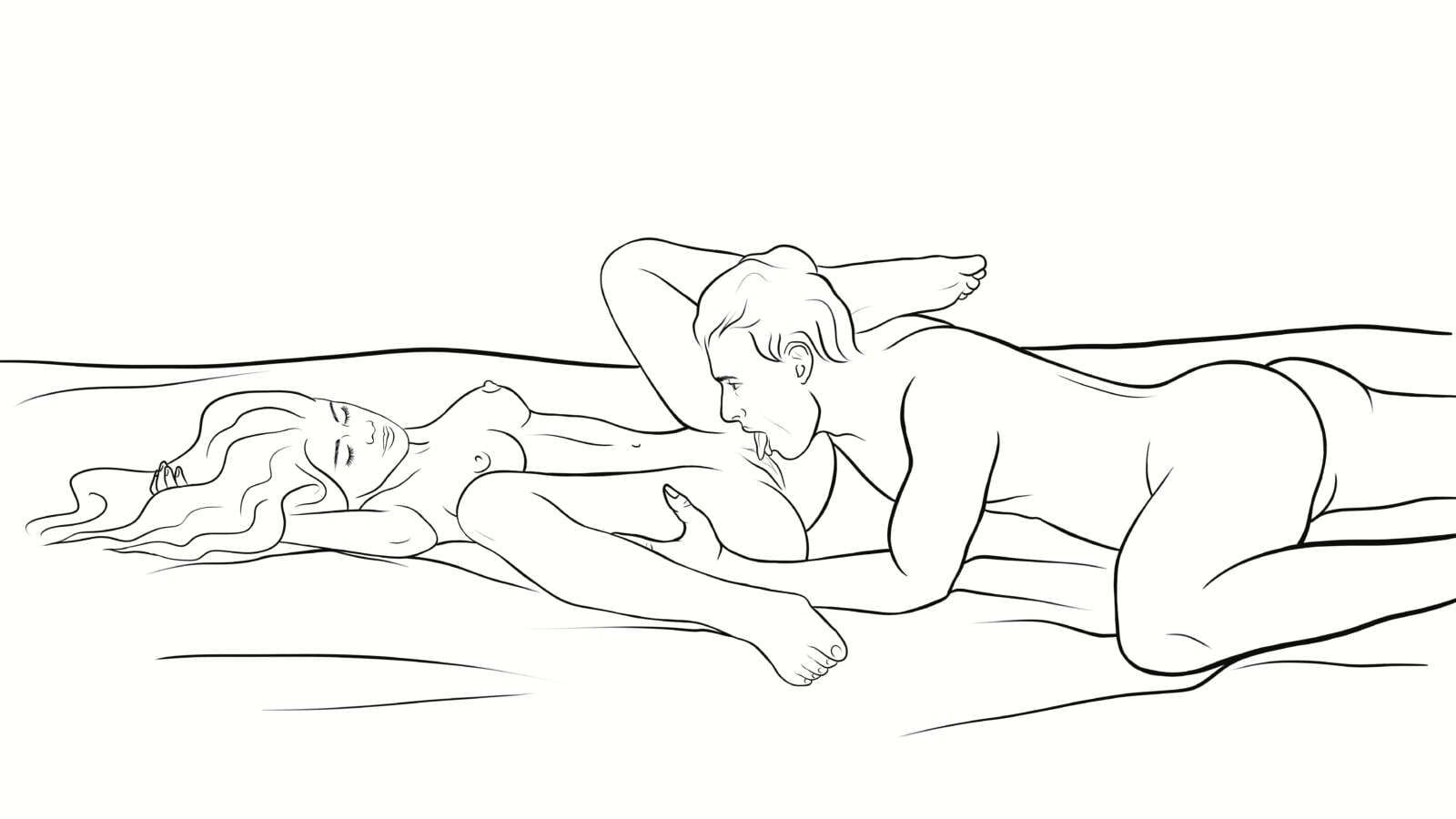 #2 Protocol B · The Lazy Sunday9.4
Both parties horizontal. Excellent for long sessions; the participant was observed to fall asleep afterwards on two occasions.
-
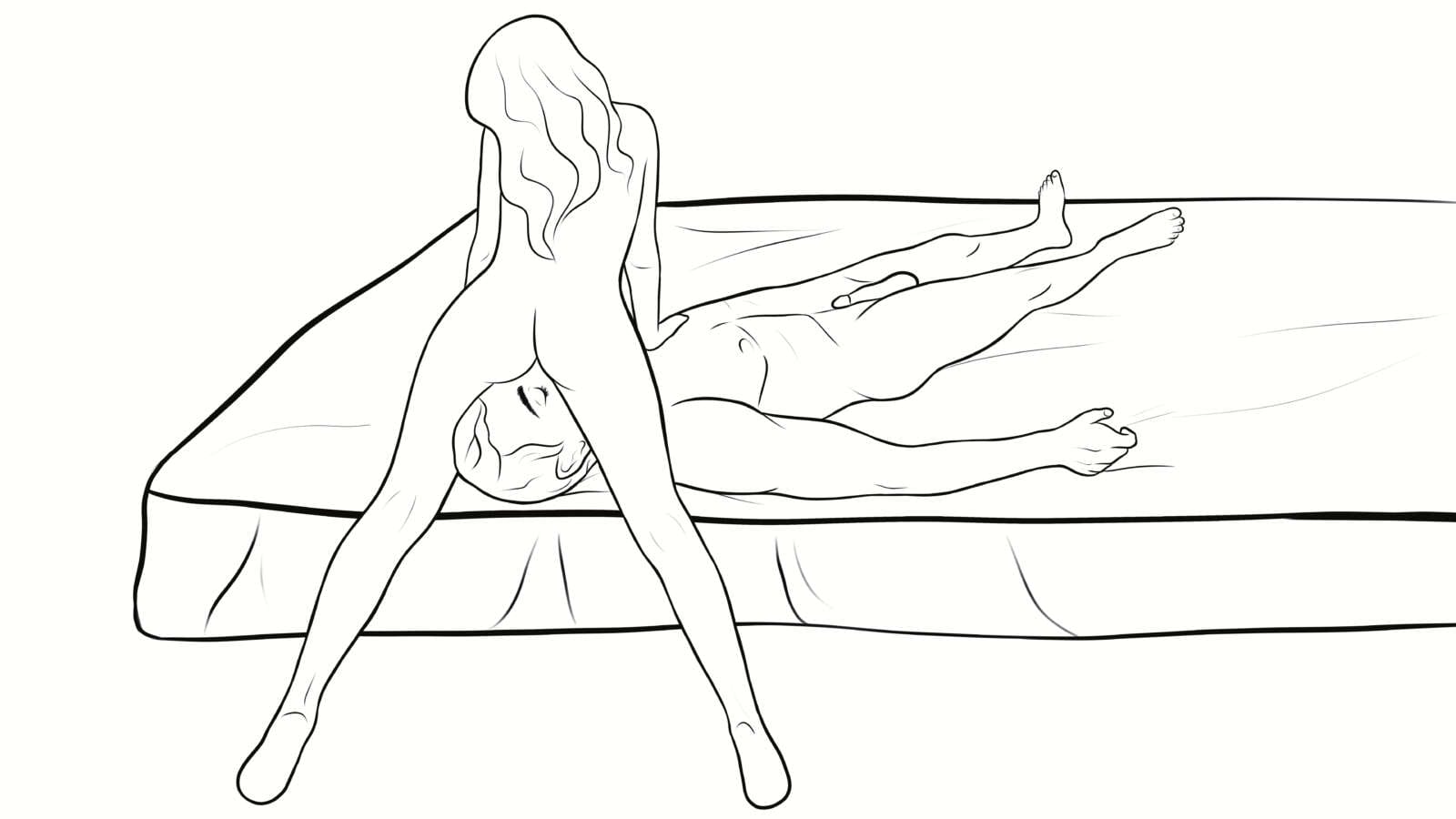 #3 Protocol C · Bedside Rounds8.9
Participant standing, investigator supine at the edge of the bed. Highly effective, slightly limited by participant leg fatigue.
-
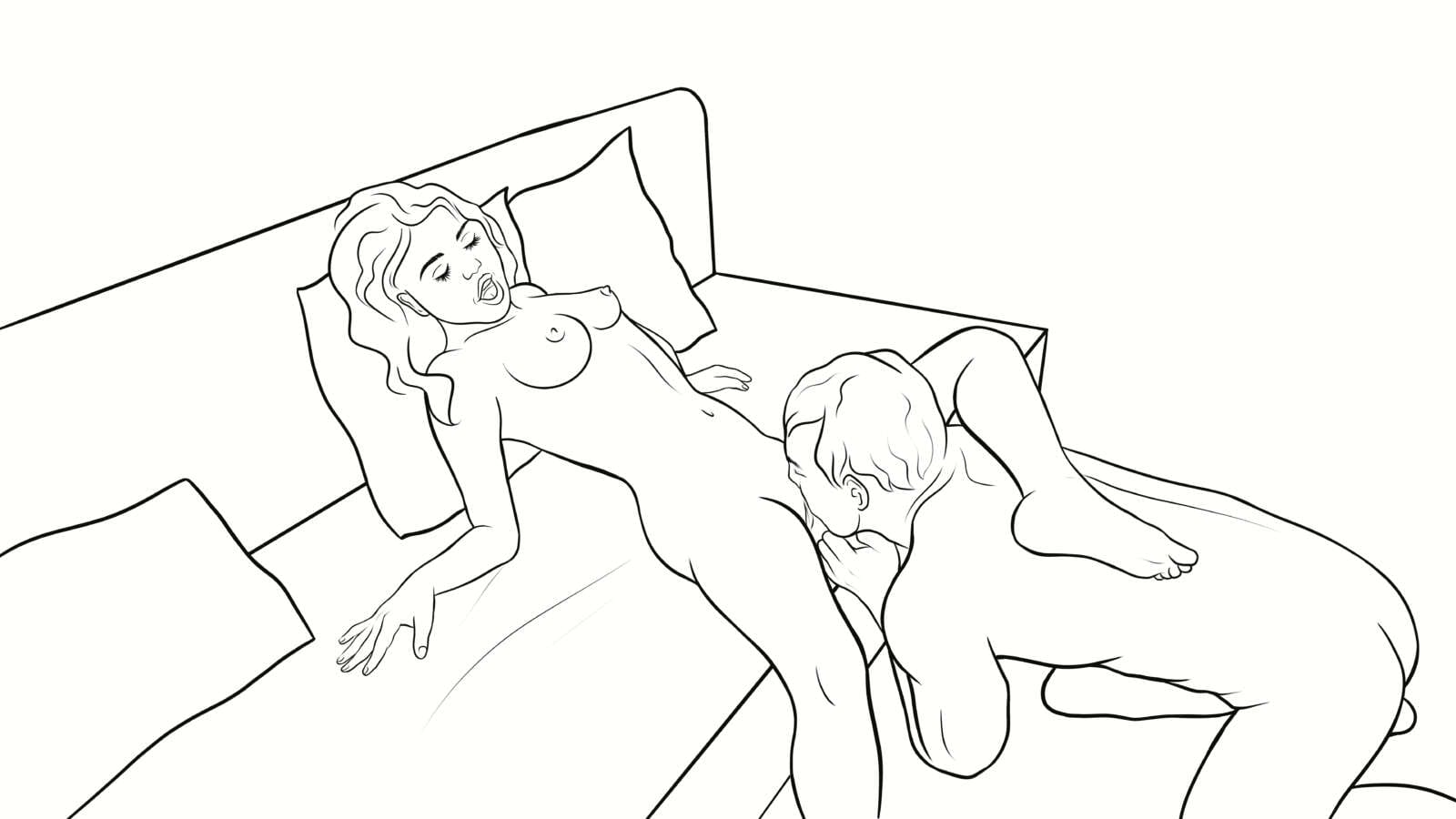 #4 Protocol D · The Classic8.3
Participant reclined on pillows. The standard reference protocol: reliable, comfortable and consistently well reviewed.
-
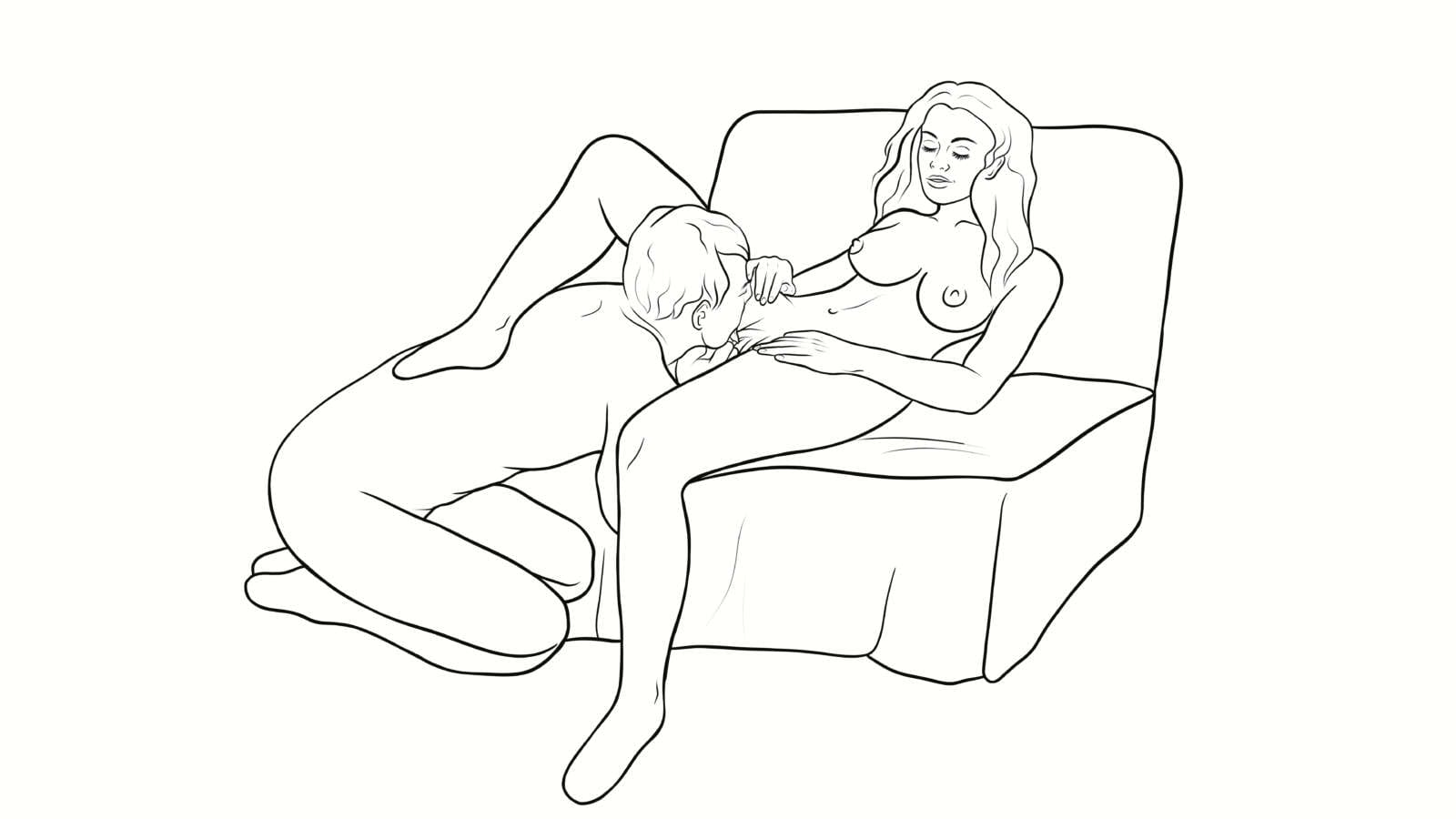 #5 Protocol E · The Armchair Consultation7.6
Participant seated in an armchair. Least effective of the five, though still far superior to tea and a blanket. Investigator knee discomfort noted.
3.2 Investigator–participant pairing: the Robert × Lauren interaction
A 2 × 2 factorial analysis was performed to determine whether the observed benefit was driven by the investigator, the participant, or the combination of the two. Main effects were modest. The interaction effect, however, was the largest ever recorded by the Society: when Robert administered the intervention to Lauren, outcomes far exceeded what either factor predicted alone (Figure 5).
| Lauren | Registry participants | |
|---|---|---|
| Robert | 9.9 | n/ainvestigator declined |
| Other investigators | 4.8 | 5.0 |
| Matteo | 2.0 | 2.1 |
Interpretation. The benefit cannot be attributed to technique alone, since other investigators using identical protocols achieved only average results with Lauren. Nor is it explained by the participant, because Robert’s expertise reaches its full potential only with her. The authors conclude that the pairing is non-transferable, non-replicable and should be continued for life.
4. Discussion
To our knowledge this is the first controlled trial of its kind. Proposed mechanisms include endorphin release, reduced cortisol, and the well-documented calming effect of an Italian accent at close range. The dose–response curve strongly suggests that the optimal frequency has not yet been identified.
Limitations. The sample size was one. The investigator was not impartial. Several sessions were not recorded in the log because everyone forgot.
Recommendations. Further research is urgently needed. The authors volunteer to continue the study indefinitely.
Funding. None required. The investigator donated his time generously.
Conflicts of interest. The corresponding author is Italian and in love with the participant.
Ethics. Approved by the Participant’s Review Board (chair: the participant).
References
- Borghesi R. Notes on enthusiasm as a clinical variable. Mediterr J Restor Intim. 2025;12:1–4.
- Society for Applied Amore. Guidelines on frequency: more is more. 2024.
- Matteo. Personal communication, repeatedly.